Explainers
The Actor Model Explained
Review note: This written summary was drafted from on-site product material and may not match every detail in the video. Please verify before publishing.
Summary
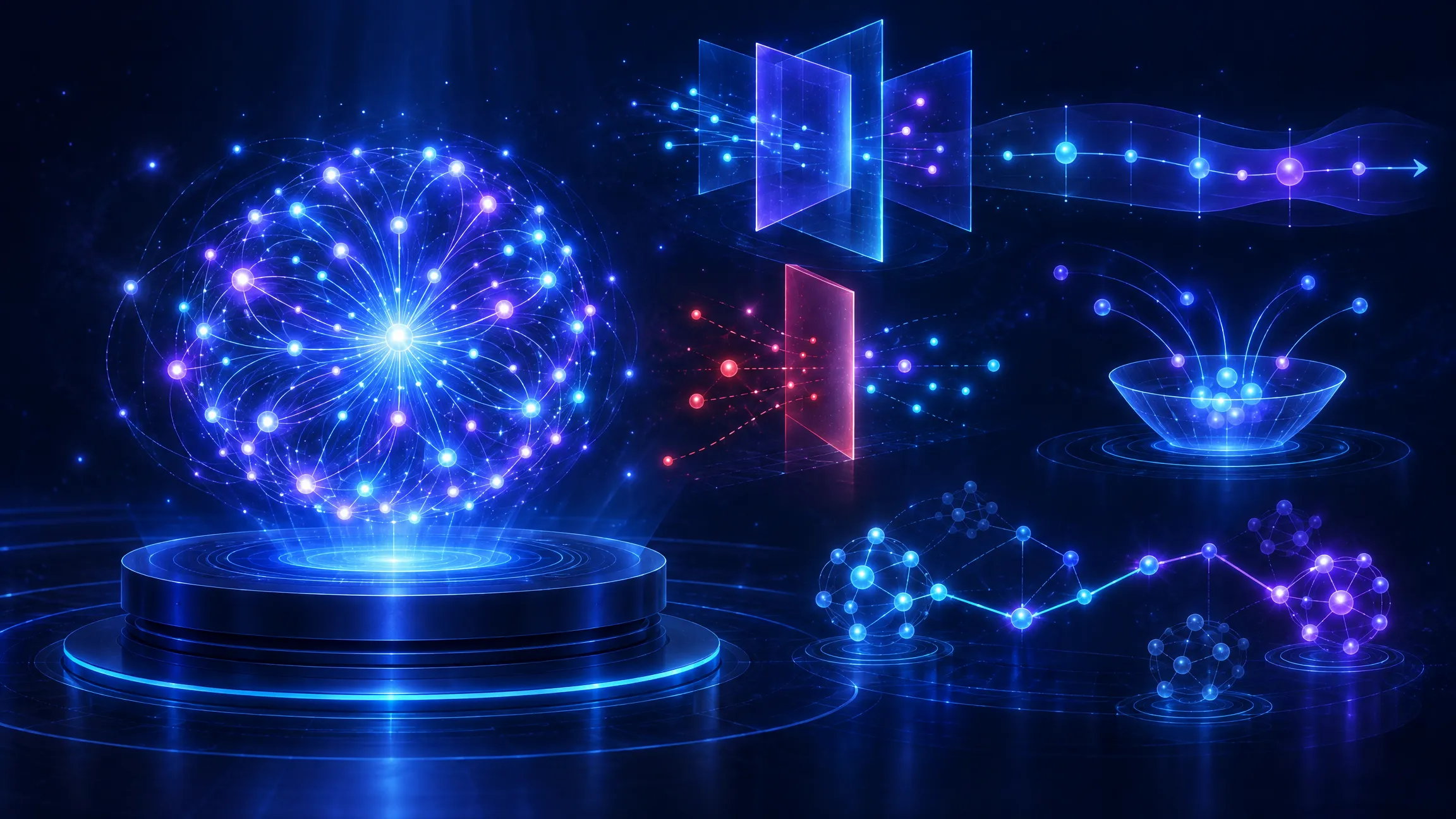
The Actor model treats computation as a network of independent, message-passing entities — each Actor processes messages sequentially, maintains its own state, and communicates only through asynchronous messages. This architecture is a natural fit for the autonomous, continuously evolving workloads that modern AI systems require: self-driving systems, mobile robotics, voice assistants, and agent-based automation all operate in chaotic environments where inputs are not known in advance.
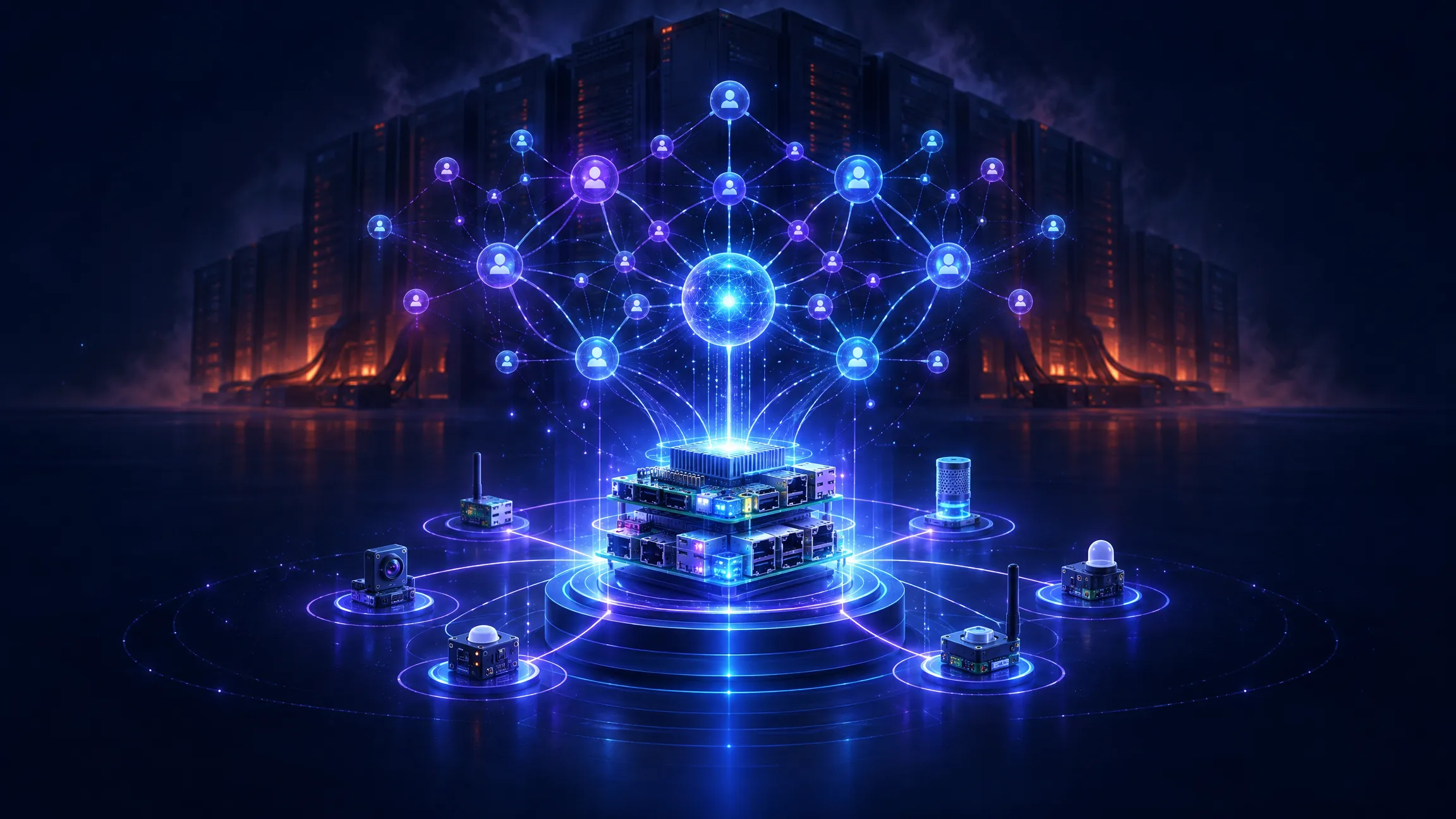
PointOfData.ai’s Actor Infrastructure Platform (AIP) builds on this model natively. Rather than bolting agents onto a request/response server paradigm, AIP distributes intelligence across Actors that discover each other, interact, and evaluate performance in a continuously learning system.
Key Takeaways
- Agents are not servers. Actors are self-directed entities that provide services through message exchange, not resource endpoints waiting for requests.
- Autonomy requires isolation. Each Actor owns its state and processes one message at a time, eliminating shared-memory concurrency problems.
- Discovery and interaction are built in. Actors find collaborators and tools dynamically rather than through hard-coded service maps.
- The platform is the architecture. AIP is not an application layer on top of conventional infrastructure — it is infrastructure designed for the Actor model from the ground up.
What You’ll Learn
- How the Actor model differs from client/server and microservice patterns
- Why agent-based computing is gaining momentum for AI workloads that operate autonomously
- How Actors communicate through asynchronous messages rather than shared state
- How PointOfData.ai’s platform distributes workloads across heterogeneous environments (edge, cloud, embedded)
- Why the Actor model aligns with continuous learning and collaborative evolution rather than static, design-forward deployment